本文目录导读:
- What is a Digital Exhibition?
- Why Digital Exhumes Are Transforming Events
- How to Organize a Digital Exhibition
- Conclusion
In a world where technology and innovation are constantly pushing boundaries, digital events like digital展会 have emerged as a game-changer. From enterprise events to personal gatherings, these events have revolutionized the way businesses and individuals connect, communicate, and collaborate. With the advent of the internet and the growing preference for immersive experiences, digital参展不仅 wasn't just an event—it was a transformation. Whether you're a professional looking to expand your reach or an attendee seeking new opportunities, digital展会 has something to offer. This guide will explore what digital展会 is, how it's reshaping events, and why it's a must-attend event for anyone looking to stay ahead in their industry.
What is a Digital Exhibition?
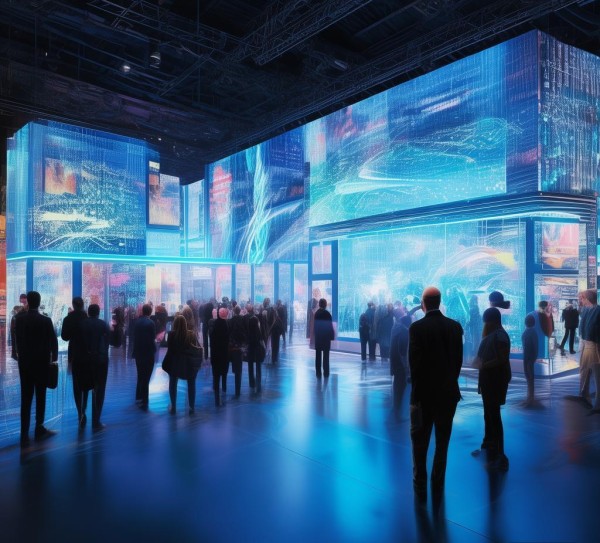
A digital exhibition is a specialized form of event where participants can interact with digital products and services in a virtual or augmented environment. These events often emphasize real-time collaboration, immersive experiences, and seamless connectivity. Whether it's online gaming, virtual concerts, or virtual trade shows, digital exhibitions are designed to cater to a wider audience, including those who prefer to engage with content and activities in their own time.
One of the key differences between traditional and digital exhibitions lies in their audience. While traditional exhibitions cater to physical attendees who can interact with physical products, digital exhibitions are designed for online participants who can engage with virtual content and experiences. This shift has opened up new opportunities for attendees to participate in events that wouldn't otherwise be accessible to them.
Why Digital Exhumes Are Transforming Events
The shift toward digital exhibition has brought about a number of benefits that have transformed the way events are organized and executed. Some of the most significant advantages include:
-
Enhanced Accessibility: Digital exhibitions make events more accessible to a broader audience, including those who may not have the means or incentive to attend traditional physical events. This has particularly benefited all and medium-sized businesses, conference attendees, and individuals with disabilities.
-
Increased Engagement: By leveraging digital tools, participants can engage with content and activities in a way that doesn't require physical space. This has led to higher levels of attendance and participation.
-
Real-Time Collaboration: Digital exhibitions often allow participants to interact in real-time with others and with digital products. This fosters collaboration and engagement among attendees, creating a more dynamic and interactive experience.
-
Seamless Communication: With the rise of virtual networking and communication tools, digital exhibitions have made it easier for attendees to connect with one another and with industry leaders.
-
Personalized Experiences: Digital exhibitions can offer personalized experiences through interactive content, personalized recommendations, and tailored experiences that cater to individual preferences.
How to Organize a Digital Exhibition
Organizing a digital exhibition requires careful planning to ensure that the event is engaging, interactive, and meets the needs of all attendees. Here are some steps to consider:
-
Define Your Event Purpose: Before launching a digital exhibition, it's essential to define the purpose of the event. What do you want attendees to achieve? Is it to learn about new technologies, connect with professionals, or simply have a fun and engaging experience?
-
Choose the Right Tools: Depending on the type of digital exhibition you're organizing, you may need to choose the right tools. For example, if you're organizing an online trade show, you might need to use video conferencing software, online platforms for product showcases, and tools for managing participant interactions.
-
Design Interactive Content: Interactive content is key to making digital exhibitions engaging. This could include virtual concerts, live streaming of virtual events, interactive dashboards, or in-person workshops. The content should be designed in a way that encourages participation and interaction.
-
Ensure Accessibility: It's important to ensure that the digital exhibition is accessible to all attendees, including those with disabilities. This may involve providing screen readers, large screens, or other assistive technologies as needed.
-
Plan for Networking: Digital exhibitions are increasingly becoming networking events. By fostering connections through virtual experiences, you can help attendees build relationships that can lead to valuable opportunities.
-
Follow Up: After the event, it's important to follow up with attendees to thank them for their time and effort. This can include providing feedback, sharing sage advice, or offering additional resources.
-
Track Performance: To ensure the success of the digital exhibition, it's important to track performance metrics, such as attendance, engagement, and participant feedback. This will help you refine your approach and improve future events.
Conclusion
The digital exhibition is a powerful tool that is reshaping the way events are organized and executed. By leveraging the power of digital technology, digital exhibitions are making events more accessible, engaging, and interactive. Whether you're a business owner looking to expand your reach or an attendee seeking new opportunities, a digital exhibition is an essential part of any event plan. By planning and executing a digital exhibition effectively, you can create a memorable experience that sets you apart from the competition.