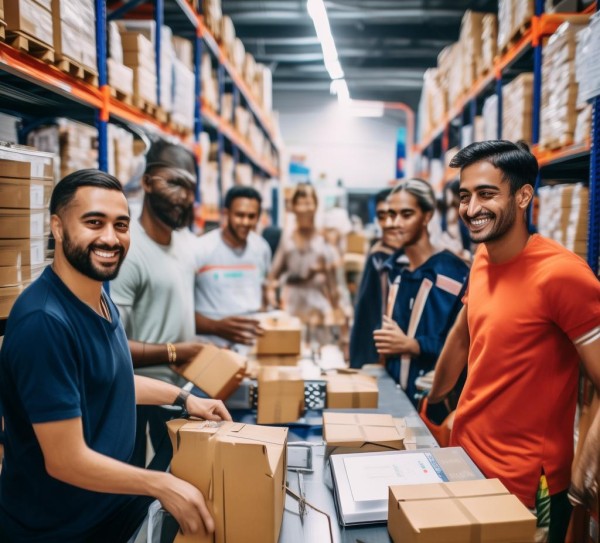
- 你认为跨境电商物流岗位的主要职责是什么?请结合实际案例说明。
- you mentioned that customer expectation plays a significant role in the success of a logistics operation. Could you discuss how one would yze customer expectations?
- In the context of a global logistics platform, how would you handle a sudden surge in demand for a specific product category? What strategies would you implement to ensure timely delivery and cost efficiency?
- What are the most common challenges faced by businesses in the global logistics industry, and how would you address them?
- How would you approach the integration of emerging technologies, such as AI and IoT, into your logistics operations? What are the potential benefits and challenges of such integration?
- Could you explain the difference between a logistics optimization model and a predictive ytics model? How would you choose one for a given logistics problem?
- In the context of a multi-currency and multi-language logistics platform, how would you ensure seamless international shipping across different regions and languages?
- What are the key factors that determine the success of a logistics partner in the global market? How would you assess your partner's performance?
- How would you handle a situation where a major supplier is affected by a sudden change in global trade policies? What steps would you take to mitigate the impact on your logistics operations?
- What are the most important ethical considerations in a logistics operation, and how would you address them in your role?
- Could you explain the concept of "logistics as a service" and its relevance in the global market? How would you differentiate it from traditional logistics services?
- How would you approach the problem of competition in the global logistics market? What strategies would you employ to maintain a competitive edge?
- What are the most common challenges faced by businesses in the global logistics industry, and how would you address them?
- Could you explain how you would yze and mitigate risks associated with global trade, such as currency fluctuations, trade barriers, or geopolitical tensions?
- How would you approach the problem of data security in a global logistics platform? What are the key risks associated with data breaches, and how would you mitigate them?
- What are the most important factors that determine the success of a logistics partner in the global market? How would you assess your partner's performance?
- Could you explain the concept of "logistics partner strategy" and its relevance in the global market? How would you differentiate it from traditional logistics partnerships?
- How would you approach the problem of determining the optimal shipping routes for a global logistics operation? What algorithms would you use, and how would you optimize them for efficiency and cost?
- What are the most common challenges faced by businesses in the global logistics industry, and how would you address them?
- Could you explain how you would handle a situation where a major supplier is affected by a sudden change in global trade policies? What steps would you take to mitigate the impact on your logistics operations?
- What are the most important ethical considerations in a logistics operation, and how would you address them in your role?
- Could you explain the concept of "logistics as a service" and its relevance in the global market? How would you differentiate it from traditional logistics services?
- How would you approach the problem of data security in a global logistics platform? What are the key risks associated with data breaches, and how would you mitigate them?
- What are the most important factors that determine the success of a logistics partner in the global market? How would you assess your partner's performance?
- Could you explain how you would yze and mitigate risks associated with global trade, such as currency fluctuations, trade barriers, or geopolitical tensions?
- What are the most common challenges faced by businesses in the global logistics industry, and how would you address them?
- Could you explain the concept of "logistics partner strategy" and its relevance in the global market? How would you differentiate it from traditional logistics partnerships?
- How would you approach the problem of determining the optimal shipping routes for a global logistics operation? What algorithms would you use, and how would you optimize them for efficiency and cost?
- What are the most important ethical considerations in a logistics operation, and how would you address them in your role?
- Could you explain how you would handle a situation where a major supplier is affected by a sudden change in global trade policies? What steps would you take to mitigate the impact on your logistics operations?
- What are the most important factors that determine the success of a logistics partner in the global market? How would you assess your partner's performance?
- Could you explain the concept of "logistics as a service" and its relevance in the global market? How would you differentiate it from traditional logistics services?
- How would you approach the problem of data security in a global logistics platform? What are the key risks associated with data breaches, and how would you mitigate them?
- What are the most important ethical considerations in a logistics operation, and how would you address them in your role?
- Could you explain how you would yze and mitigate risks associated with global trade, such as currency fluctuations, trade barriers, or geopolitical tensions?
- What are the most common challenges faced by businesses in the global logistics industry, and how would you address them?
- Could you explain the concept of "logistics partner strategy" and its relevance in the global market? How would you differentiate it from traditional logistics partnerships?
- How would you approach the problem of determining the optimal shipping routes for a global logistics operation? What algorithms would you use, and how would you optimize them for efficiency and cost?
- What are the most important ethical considerations in a logistics operation, and how would you address them in your role?
- Could you explain how you would handle a situation where a major supplier is affected by a sudden change in global trade policies? What steps would you take to mitigate the impact on your logistics operations?
社交媒体运营与管理岗位面试问题
上一篇:整箱物流冷藏,全程保障高效配送