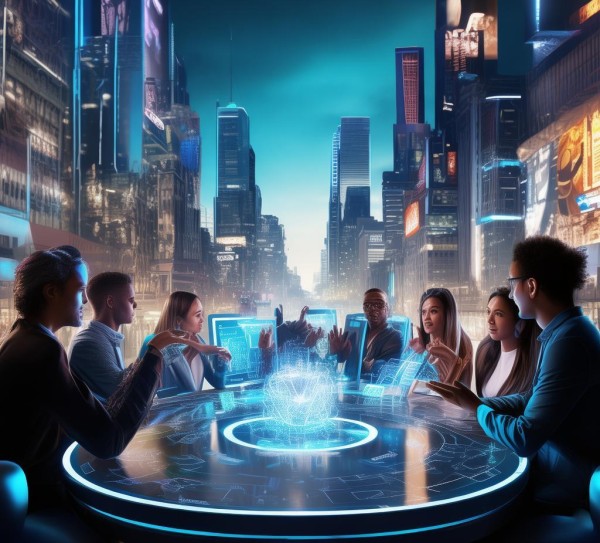
In today's fast-paced and technology-driven world, digital displays have become an essential tool for businesses and individuals alike. From retail environments to public spaces, digital displays have revolutionized how we interact with digital information and products. With the rise of social media and the increasing reliance on mobile technology, the concept of a digital display has evolved beyond its original definition as a physical display screen. Instead, it now encompasses a broader range of digital platforms and tools designed to enhance our ability to communicate, collaborate, and engage with the world.
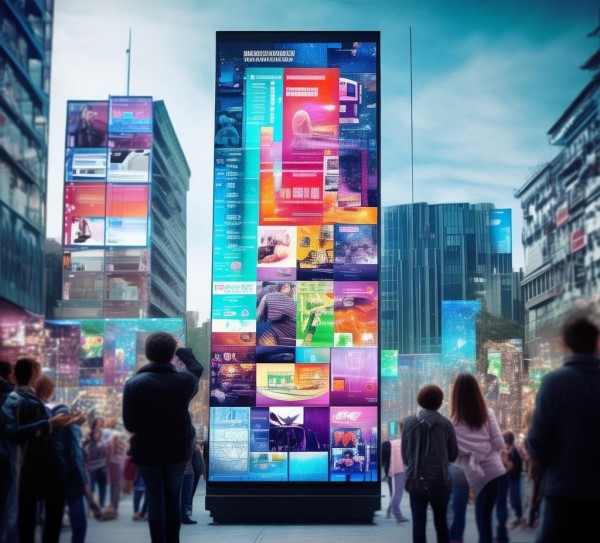
One of the most significant impacts of digital displays is that they have transformed how businesses handle their operations. From online shopping to e-commerce platforms, digital displays have made it easier for businesses to reach customers globally, regardless of their location. For example, digital marketing campaigns that run on social media platforms like Facebook and Instagram have become a global phenomenon, enabling businesses to connect with audiences across borders. This shift has not only increased the reach of businesses but has also led to the development of new strategies for international expansion and localization.
Another key aspect of the importance of digital displays is their role in promoting innovation and creativity. From virtual reality (VR) to augmented reality (AR), digital displays have created new possibilities for creating immersive experiences and visualizing complex concepts. This has led to the development of new technologies and products that have transformed industries such as gaming, healthcare, and education. For instance, AR technology has enabled students to visualize 3D objects and concepts in a more engaging and interactive way, while VR has opened up new avenues for training and simulation in industries like healthcare and manufacturing.
However, the widespread adoption of digital displays also raises important questions about the challenges they present. One of the biggest concerns is the potential loss of traditional digital displays in favor of digital platforms. While digital displays have brought many benefits, their reliance on physical components like screens and cables has led to concerns about their longevity and maintenance. Additionally, the transition to digital platforms has also raised issues related to data security, privacy, and the potential erosion of human touch in the digital age.
Despite these challenges, the impact of digital displays on modern society is undeniable. From the rise of e-commerce to the democratization of information, digital displays have played a crucial role in shaping the way we live, work, and interact with the world. With the future of digital displays likely to continue evolving, it is essential for businesses and individuals to remain adaptable and innovative in order to keep up with the demands of a rapidly changing world. In conclusion, digital displays are not just a tool for businesses; they are a vital component of the modern world, enabling us to communicate, collaborate, and engage with the world in new and exciting ways. As we move forward, it will be important to continue embracing the power of digital displays while also recognizing the challenges they may bring.