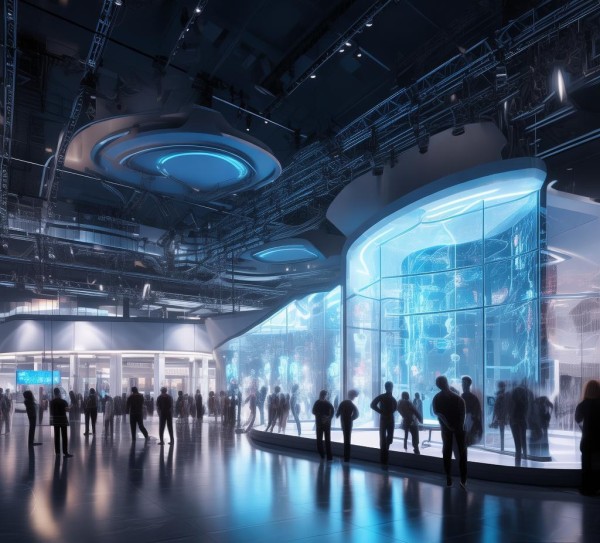
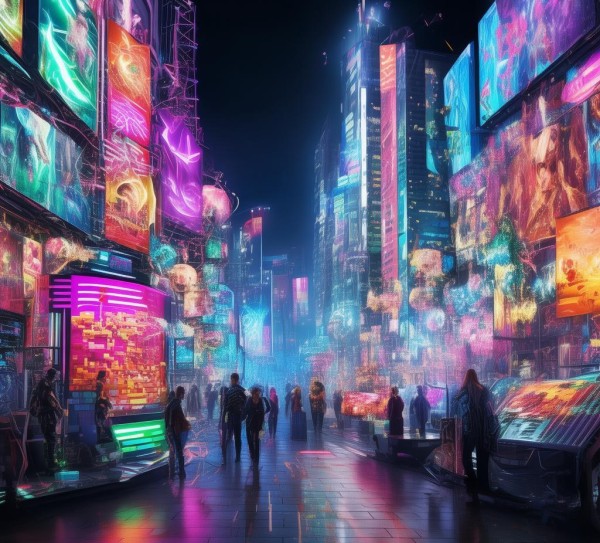
数字化建筑通过先进的技术和工具,重塑建筑未来的新可能,提升效率和智能化水平,推动建筑行业的可持续发展,为建筑企业带来更大的市场竞争力。
在建筑领域,数字化已经成为一种新的革命性趋势,从建筑设计到施工管理,从节能到智能化,数字化正在彻底改变建筑行业的面貌,数字化建筑的兴起,不仅带来了效率的提升,更创造了新的商业机会和创新可能性,这场数字化建筑的展露,正在重塑建筑行业的未来。
数字化建筑的概念,实际上是建筑与数字技术的深度融合,从建筑模型到数字模型,从数据采集到数据分析,建筑企业开始将技术应用到实际施工中,这种转变,使得建筑行业的效率获得了显著提升。
数字化建筑的核心在于数据驱动的决策,通过实时监测和分析,建筑企业能够更准确地掌握施工进度、材料用量和能源使用情况,这种精准的数据支持,使得建筑项目能够在较短的时间内完成,从而缩短工期和降低成本。
建筑数字化的另一个重要方面是智能化管理,建筑设施的监控系统能够实时监控建筑各个部分的运行状态,及时发现潜在问题并进行处理,这种智能化管理,不仅提高了建筑的安全性,还减少了因人为错误造成的隐患。
数字化建筑的 another important aspect is its ability to create new business opportunities through digital twin technology. Building digital twins allows project managers to perform full lifecycle simulations virtually, identifying and addressing potential issues early on, thus optimizing resource utilization and improving project outcomes.
Additionally, third-party service companies offer professional support, helping businesses transition to digitalization, which has democratized access to digital solutions and accelerated the adoption of digital practices in the industry.
The rise of digital building has reshaped the market, as traditional building industries now rely less on human intervention and more on technology-driven processes. This transformation has led to increased efficiency and automation, enabling businesses to deliver services faster and at a lower cost.
Digitalization has also created new business opportunities, such as virtual reality (VR) project management tools, which allow project teams to simulate and optimize projects in virtual environments, leading to better resource allocation and reduced risks.
Moreover, digital twin technology and art cities are emerging as innovative solutions to address sustainability and urban planning challenges. These advancements not only benefit individual buildings but also contribute to the broader goals of sustainable development and urban planning.
Despite the benefits, the implementation of digital building technologies requires robust technology infrastructure, expertise, and a growing understanding of the building industry. Policy support and regulatory frameworks are essential to encourage and accelerate the adoption of digital solutions.
The future of digital building is likely to be more diverse, with opportunities for innovation spanning across traditional building types and sectors. From the integration of digital technologies with traditional architectural practices, to the development of art towns that blend digital urban planning with natural and social elements, the field is poised for transformative changes.
This shift represents a paradigm shift in the way buildings are designed, constructed, and managed. It involves a seamless integration of human creativity with technological innovation, marking a new era in architecture and urban planning.
As digital construction gains momentum, the building industry is expected to play a more central role in shaping the future of urban development, from energy efficiency to sustainability. This transformation is not just about efficiency and automation, but about creating a more livable, resilient, and sustainable world.
In conclusion, the transition to digital building is a critical step that will reshape the architecture and urban planning industries. It requires a collaborative effort between technology, industry, policy, and the public to ensure that digital transformation benefits all stakeholders and drives the industry toward its next chapter.
Building digital twins and embracing digital solutions will inevitably lead to a new era of innovation and efficiency in the construction industry. This shift is not just about delivering faster and cheaper projects, but about creating a more sustainable, resilient, and innovative future for buildings and cities alike.
The future of digital building is not just a technology topic but a shift in how we think about construction, design, and urban planning. It is an opportunity for the building industry to redefine itself, to create new business models, and to play a central role in shaping the digital age's impact on society and the environment.
In a world where buildings are becoming more integrated with technology, the building industry is at the forefront of a new era of innovation. This is not just about efficiency and automation, but about creating a arter, more sustainable, and more connected future for our communities and the planet as a whole.
As digital construction continues to gain traction, so too will the rise of new technologies and approaches that enable greater collaboration between humans and machines. This shift is not just about the building industry, but about the entire sector of construction and urban planning, and the way we live, work, and build.
The future of the building industry is not just about efficiency and automation; it's about creating a new kind of building, where technology, people, and the environment all come together to create a brighter, more resilient, and more sustainable world.
In conclusion, the transition to digital building is a critical step that will reshape the architecture and urban planning industries. It requires a collaborative effort between technology, industry, policy, and the public to ensure that digital transformation benefits all stakeholders and drives the industry toward its next chapter.
Building digital twins and embracing digital solutions will inevitably lead to a new era of innovation and efficiency in the construction industry. This shift is not just about delivering faster and cheaper projects, but about creating a more sustainable, resilient, and innovative future for buildings and cities alike.
The future of digital building is not just a technology topic but a shift in how we think about construction, design, and urban planning. It is an opportunity for the building industry to redefine itself, to create new business models, and to play a central role in shaping the digital age's impact on society and the environment.
In a world where buildings are becoming more integrated with technology, the building industry is at the forefront of a new era of innovation. This is not just about efficiency and automation, but about creating a arter, more sustainable, and more connected future for our communities and the planet as a whole.
The transition to digital building is not just about efficiency and automation; it's about creating a new kind of building, where technology, people, and the environment all come together to create a brighter, more resilient, and more sustainable world.
In conclusion, the transition to digital building is a critical step that will reshape the architecture and urban planning industries. It requires a collaborative effort between technology, industry, policy, and the public to ensure that digital transformation benefits all stakeholders and drives the industry toward its next chapter.
Building digital twins and embracing digital solutions will inevitably lead to a new era of innovation and efficiency in the construction industry. This shift is not just about delivering faster and cheaper projects, but about creating a more sustainable, resilient, and innovative future for buildings and cities alike.
The future of digital building is not just about efficiency and automation; it's about a shift that will redefine how we build, think, and live. It's about creating a arter, more sustainable, and more connected world through the power of technology.
As we move forward, the building industry will play a pivotal role in shaping this future, ensuring that digital innovation benefits not just the buildings themselves, but the entire people, communities, and cities that depend on them.
In summary, the digital building revolution is not just about efficiency and automation; it's about creating a new kind of building that is arter, more sustainable, and more connected to the people who build it. This shift is essential for the future of the building industry and for the success of cities and communities that depend on them.
The digital building revolution is not just about efficiency and automation; it's about creating a new kind of building that is arter, more sustainable, and more connected to the people who build it.