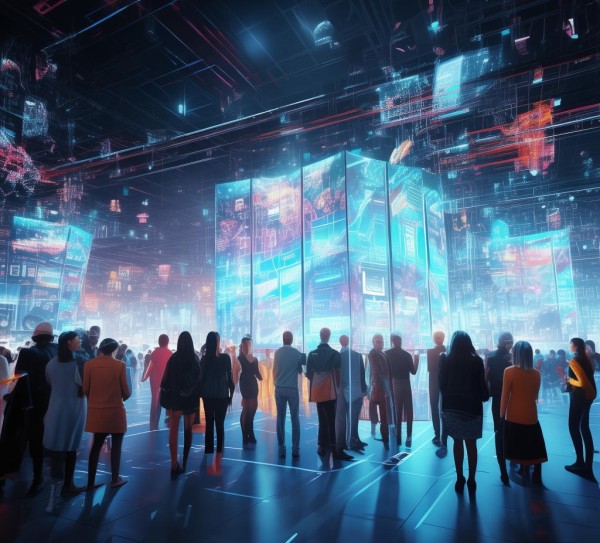
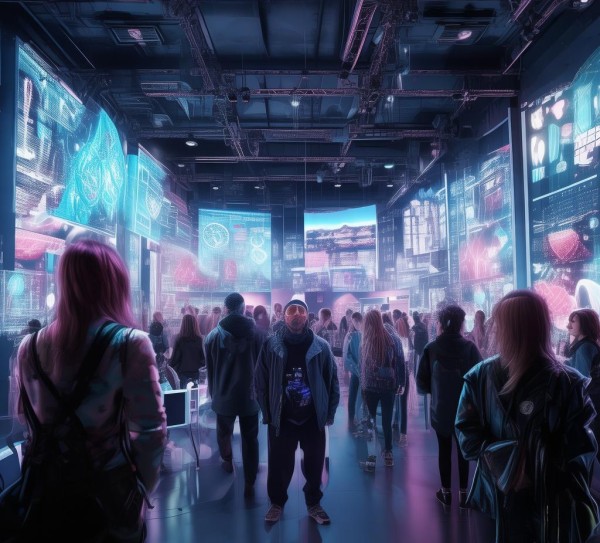
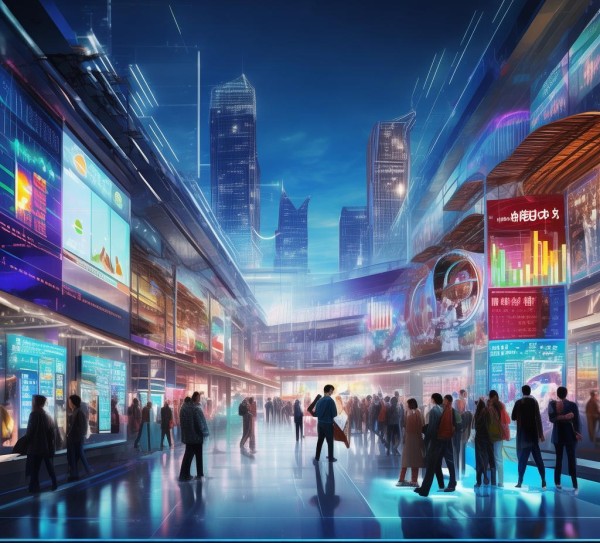
The Future of Digital Exhibitions: How to Transform Your World with Digital Displays explores how digital technologies are reshaping interactive experiences. By leveraging advanced technologies like augmented reality (AR) and virtual reality (VR), digital exhibitions can create immersive and engaging environments. These tools allow users to visualize, interact, and explore content in ways that were previously unimaginable. Additionally, digital展览 are being optimized through data ytics and AI, enabling real-time insights and personalized experiences. The ultimate goal is to enhance user engagement, education, and creativity, while also addressing sustainability and accessibility challenges. As technology continues to evolve, digital exhibitions will play a pivotal role in shaping a more interactive and meaningful world.
In an era where technology is constantly evolving, the concept of a digital exhibition has emerged as a transformative tool for businesses, audiences, and communities alike. Digital exhibitions are not just about presenting information; they are about engaging the senses, connecting people, and fostering meaningful dialogue. From virtual reality to augmented reality, these technologies are reshaping how we consume, interact with, and experience the world. As the world continues to evolve, the future of digital exhibitions is one that will undoubtedly be one of the most significant transformations in history.
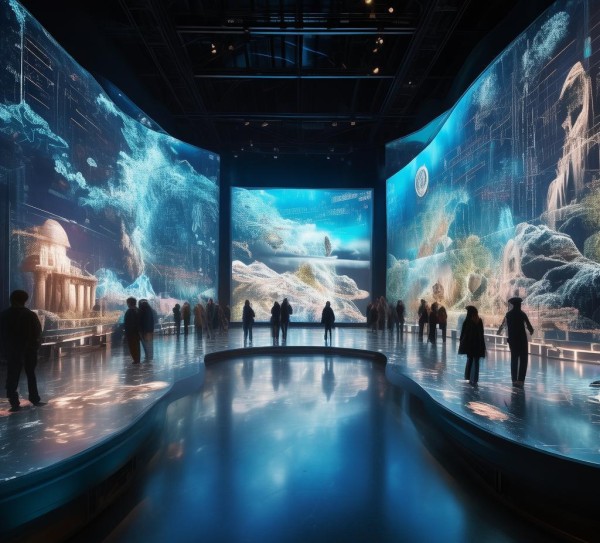
Enhanced Accessibility and Reach
Digital exhibitions are designed to cater to a global audience, regardless of location or medium. Whether it's a physical venue or a virtual platform, these galleries are accessible to a wide range of preferences and audiences. With the rise of streaming services and video-on-demand, digital exhibitions are now the ultimate destination for people seeking information, entertainment, or education.
Increased Interactivity and Engagement
Unlike traditional exhibitions, digital displays are interactive. They use advanced technology to allow users to engage with content in real-time. Whether it's through live installations, interactive simulations, or real-time data visualization, digital exhibitions are transforming how people connect with information.
Cost-Effective and Time-Saving
A key advantage of digital exhibitions is their affordability. Rather than hiring professionals to set up an exhibition and manage its operations, digital platforms are cost-effective and efficient, enabling businesses to showcase their products and services to a broader audience without the need for extensive staff.
Social and Cultural Impact
Social and cultural connections are left through interaction. Digital exhibitions create opportunities for people to share their experiences, learn from each other, and build meaningful relationships. Whether it's through live performances, interactive art installations, or collaborative content, digital exhibitions are leaving a lasting impact on the world.
The Challenges of Virtual and Augmented Reality
One of the biggest challenges is ensuring the quality and accuracy of digital content. Virtual and augmented reality require precise calculations and algorithms to ensure immersive and accurate experiences. This can be particularly challenging for businesses reliant on live performances or physical exhibits.
Another challenge is the cost of digital platforms. Setting up and running a digital exhibition involves upfront investment, including technology, staff, and equipment. While this can be expensive, the long-term savings and cost savings make it worth the investment for many businesses.
Finally, there is the issue of data privacy and security. With digital exhibitions, there is a greater risk of sensitive information being exposed or breaches. Businesses must ensure their data is protected with the highest standards and complies with security regulations.
The Future of Digital Exhibitions
Looking ahead, the future of digital exhibitions is poised to transform the way we interact with information and connect with others. As technology continues to advance, the ways in which we engage with content and build relationships will evolve.
One of the most promising trends is the rise of virtual and augmented reality. These technologies are expected to become even more immersive and interactive, with applications ranging from education to entertainment.
Another key trend is the integration of IoT devices in digital exhibitions. These devices can monitor and track audience engagement, user interactions, and provide real-time feedback, enabling businesses to make data-driven decisions.
The third major trend is the adoption of cloud-based platforms for digital exhibitions. These platforms allow businesses to run exhibitions on a global scale without the need for physical locations, making it easier for geographically dispersed businesses or remote workers to participate.
As the world embraces digital transformation, the future of digital exhibitions will undoubtedly be one that is as transformative as it is challenging. However, with careful planning and execution, businesses can harness the power of digital technology to create engaging, interactive, and memorable experiences that will leave a lasting impact on audiences and communities alike.
In conclusion, digital exhibitions are not just about presenting information; they are about creating meaningful connections and fostering a deeper understanding of the world. As technology continues to advance, the future of digital exhibitions will undoubtedly be one that will undoubtedly be one of the most transformative moments in human history.