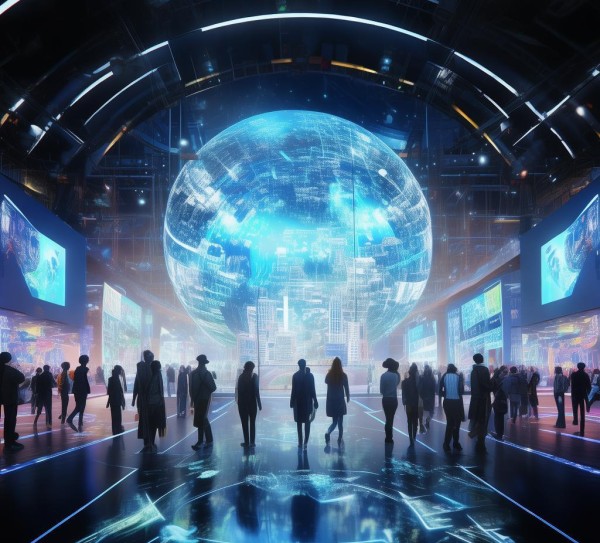
This paper explores the transformative potential of digital events, emphasizing how advancements in technology are reshaping how we engage, connect, and manage events in the digital age. By leveraging innovative tools and platforms, digital events are being redefined to foster collaboration, innovation, and efficiency. The future of digital events lies in their ability to bridge the gap between individuals and organizations, enabling real-time communication and decision-making. As we move beyond traditional event formats, the focus shifts to creating new models where events are seamlessly integrated into our daily lives, driven by cutting-edge digital platforms. This transformation not only enhances the accessibility of events but also empowers people to participate in meaningful ways, creating a new era where digital events redefine how we experience and participate in life.
In an era where the internet and digital technology are reshaping every industry, events are not just about spreading ideas but are increasingly about transforming efficiencies and expanding horizons. As the world continues to embrace digital platforms, the concept of digital events is experiencing a historic transformation. With advancements in technology, immersive experiences, and real-time data tracking, events are now evolving into a space where innovation meets accessibility.
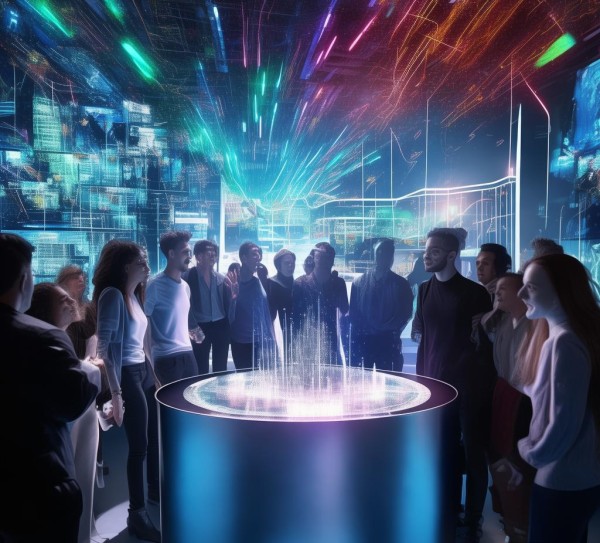
One of the most exciting aspects of digital events is their ability to connect people from all over the globe. From remote works to live concerts, these platforms allow individuals to engage with brands and products in ways never before possible. With the rise of virtual reality and augmented reality, the future of events is even more promising. Attendees can now experience virtual events, such as live concerts or product demonstrations, in unprecedented detail.
Moreover, digital events are becoming a key part of the marketing and business strategy of companies. By leveraging digital tools, companies can connect with audiences in ways never before possible, creating more direct and powerful connections. From social media platforms to email marketing, the ability to reach a global audience through digital channels is a powerful tool for building relationships and creating lasting impact.
Another key benefit of digital events is the ability to track and measure success more effectively. With tools like ytics and AI, organizers can gain insights into what resonates with their audience and how to improve their events. This data-driven approach ensures that events are not just fun but also effective in their purpose.
As digital events continue to grow, the demand for skilled professionals and innovative ideas will increase. With the right digital event platforms and tools, anyone with the right skills can take part and make a meaningful impact. Whether it's creating a virtual concert, running a live streaming event, or participating in a social media campaign, the possibilities are endless.
In conclusion, the future of digital events is bright, and there's no time to wait. By embracing the power of technology and connecting with the right audience, businesses can unlock new opportunities and create lasting lasting impacts. So, whether you're a seasoned event organizer or just starting out, the world of digital events is waiting for you to take your ideas to the next level.