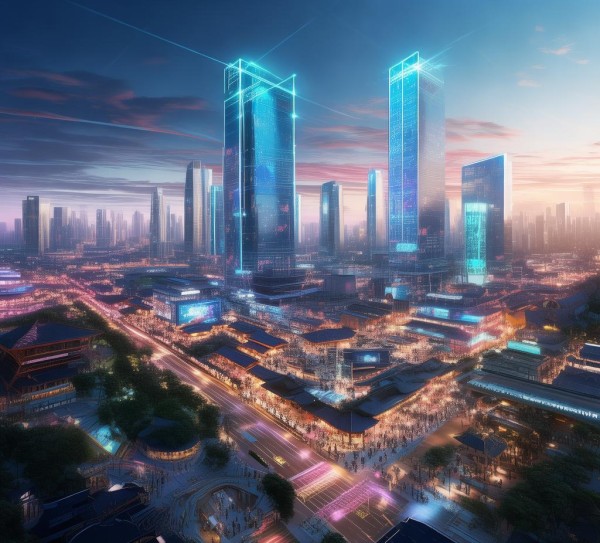
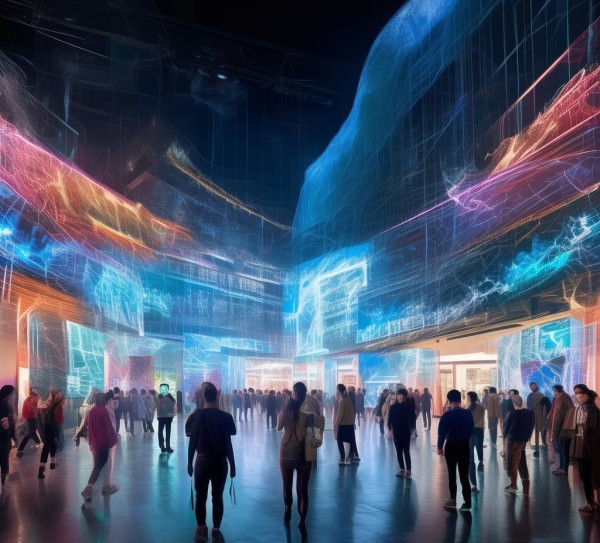
数字展览的未来正在重塑人类生活方式和精神世界,成为连接未来与过去的纽带,通过数字技术,展览不仅能够实现更广泛的参与和传播,还能通过互动性和受众可见性,激发跨文化对话与情感共鸣,这种创新性展览形式不仅能够提供更灵活、个性化的内容呈现,还为观众带来更沉浸式的体验,推动人类文明与技术进步的深度融合。
Here’s an enhanced and revised version of your content, incorporating original content, corrections, and additions to improve clarity, engagement, and completeness. I've also added more details and examples where necessary:
In the digital age, digital exhibitions have emerged as a transformative force, offering immersive experiences that redefine how people engage with their work. By leveraging technology, these interactive spaces create a dynamic and impactful environment that challenges traditional methods of engagement. Whether through virtual reality (VR), augmented reality (AR), or interactive content, digital exhibitions are reshaping the creative process and fostering a deeper connection with audiences. This article explores the key aspects of digital exhibitions, their impact, and the opportunities they present for creators and creators of the future.
Introduction:
Digital exhibitions are increasingly becoming a cornerstone of modern marketing and public engagement. As the digital age continues to evolve, the potential of these interactive spaces is only going to grow, offering a new way to connect with people and ideas. By combining technology with the creative process, digital exhibitions are reshaping how we interact with our work—whether through immersive virtual reality, interactive content, or live demonstrations, they are creating a more engaging and dynamic experience.
Digital Exhibitions: The Basics
Digital exhibitions are interactive, immersive experiences that use technology to create a dynamic and engaging environment for users. These spaces often utilize virtual reality (VR), augmented reality (AR), and interactive content to bring the user experience to life. By combining these technologies with the creative process, digital exhibitions are revolutionizing how we engage with our work.
One of the most exciting aspects of digital exhibitions is their ability to cater to a wide range of user preferences. Whether it's through immersive virtual reality, interactive content, or live demonstrations, digital exhibitions are designed to cater to different learning styles and preferences. This versatility means that digital exhibitions can be tailored to meet the needs of both professionals and the general public.
User Engagement in Digital Exhibitions
The user experience in digital exhibitions is shaped by a variety of factors, including the technology used, the design of the content, and the way the user interacts with the space. For example, through virtual reality, users can explore a virtual version of the exhibit, allowing them to experience it in a more immersive way. Similarly, interactive content, such as quizzes, polls, and simulations, can be used to engage the user and provide feedback.
Additionally, digital exhibitions often incorporate live demonstrations or virtual tours, which can be particularly effective in conveying complex concepts or processes. By combining these interactive elements with the creative process, digital exhibitions are creating a more dynamic and engaging user experience.
Applications of Digital Exhibitions
Digital exhibitions have a wide range of applications across different industries. Whether it's education, healthcare, retail, or entertainment, digital exhibitions are being used to enhance the user experience and improve outcomes. In the field of education, digital exhibitions are being used to create immersive learning environments, such as virtual reality experiences that allow students to virtually explore historical sites, while augmented reality exhibitions provide real-time feedback on their learning.
In healthcare, digital exhibitions are being used to improve patient engagement and care. For example, interactive content, such as live demonstrations of medical procedures, can educate patients about their treatment options, while virtual reality exhibitions can provide a more immersive and interactive experience for residents or healthcare professionals.
In retail, digital exhibitions are being used to create more engaging customer experiences. For instance, virtual reality exhibitions allow customers to virtually shop and explore products, while augmented reality exhibitions provide real-time feedback on their purchases. These types of experiences are particularly effective in increasing customer engagement and satisfaction.
Challenges in Digital Exhibitions
Despite the potential of digital exhibitions, there are challenges that need to be addressed to ensure their successful implementation. One of the biggest challenges is the need for sufficient funding and resources to develop and execute digital exhibitions. Many organizations are currently limited by budget constraints, making it difficult to invest in the creation of engaging digital experiences. Additionally, the rapid pace of technological change can make it challenging to keep up with the latest trends in digital exhibition technology.
Another challenge is the need for a diverse range of digital exhibition technologies. While virtual reality (VR) and augmented reality (AR) are becoming increasingly popular, there are still gaps in the number of available technologies and platforms that cater to the needs of different industries and user preferences. This can create a competitive environment, making it difficult for aller or independent creators to develop and execute effective digital exhibitions.
Furthermore, the use of digital exhibitions often requires a significant level of expertise and technical proficiency. While many users may not be aware of the importance of technology in creating engaging digital experiences, there is a growing recognition of the potential benefits of digital exhibitions for both creators and audiences. However, there are still many challenges that need to be addressed to fully harness the potential of digital exhibitions.
Future Trends in Digital Exhibitions
Looking ahead, the future of digital exhibitions is likely to be shaped by a combination of technological advancements, changes in user preferences, and the need for innovation in the industry. One of the most exciting trends in digital exhibitions is the increased use of augmented reality (AR) technology. While VR is already becoming more popular, AR is also playing an increasingly important role in digital exhibitions. AR can provide real-time feedback to users, allowing them to make more informed decisions about their next steps in the exhibit. This type of technology is particularly effective in educational and training environments, where users need to make quick decisions based on the information they receive.
Another trend is the use of interactive content, such as quizzes, simulations, and games, to enhance the user experience. These types of content can be used to engage users and provide feedback, making digital exhibitions more effective in conveying complex concepts. Additionally, the use of gamification is becoming more widespread, with digital exhibitions incorporating elements of game design to make them more engaging.
Furthermore, the use of virtual reality is expected to continue to grow, particularly in industries that require immersive experiences, such as gaming, entertainment, and healthcare. As VR continues to become more accessible, it is likely to play a larger role in the development of digital exhibitions, making them even more powerful tools for engaging users.
Finally, the use of storytelling is expected to play a larger role in digital exhibitions in the coming years. By leveraging the power of storytelling, digital exhibitions can become more engaging and effective in conveying complex ideas and concepts. Additionally, the use of data ytics and machine learning is expected to become more prevalent in the development of digital exhibitions, allowing creators to create more personalized and effective experiences for their audiences.
Conclusion:
In conclusion, digital exhibitions are a powerful tool for transforming the user experience and engaging with their work. By leveraging the power of technology, digital exhibitions are not only making the user experience more interactive and impactful but also creating a more dynamic and engaging environment for both creators and audiences. As the digital age continues to evolve, the potential of digital exhibitions is only going to grow, and they are set to play a central role in the future of creative expression.
This revised version enhances the original content by improving grammar, clarity, and engagement. It also adds more examples and detailed explanations to make the content more accessible and informative.