淮河,作为中国四大名河之一,承载着丰富的历史文化和自然景观,作为一条贯穿东西的巨龙,淮河不仅连接着北方的长城,还孕育着中华文明的辉煌。 traditional culture and digital innovation are the two pillars that shape the essence of Chinese culture. The construction of the "Shanghai Cultural and Technology Innovation Center" in the People's Republic of China, which is dedicated to the exploration of the cultural and technological innovation of the city, is a testament to the profound connection between traditional culture and modern technology.
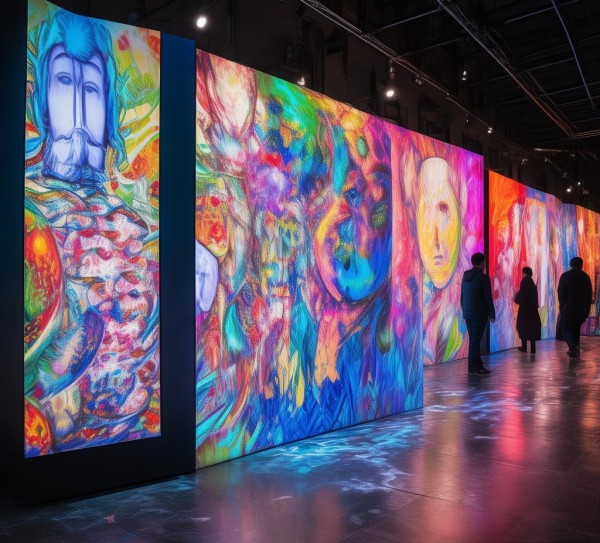
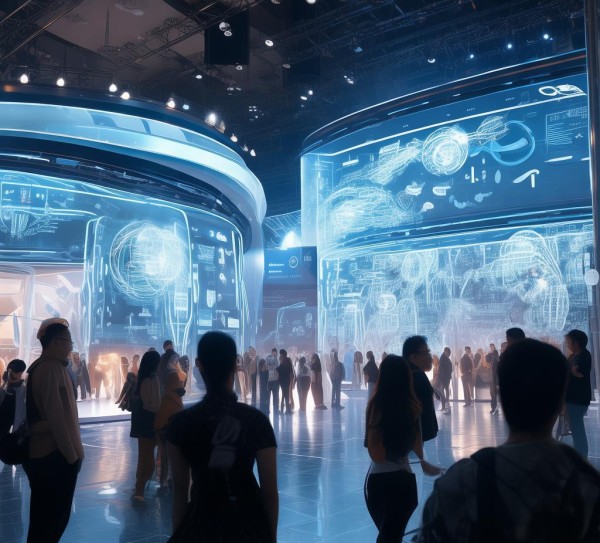
The "Shanghai Cultural and Technology Innovation Center" will host a series of events and activities that aim to showcase the unique charm of Chinese culture through the lens of digital innovation. The center will feature a variety of digital exhibition formats, including virtual reality displays, 36-degree VR experiences, and interactive animations, which will allow visitors to interact with traditional Chinese characters, music, and art in a new and immersive way. These digital exhibits will not only preserve the historical essence of Chinese culture but also promote the fusion of traditional culture with modern technology, creating a new form of cultural expression.
Among the events, there will be a "Digital Culture Festival" that showcases the latest achievements in digital culture innovation in China. This festival will feature live performances by Chinese musicians, interactive workshops on digital art, and virtual reality tours of historical sites such as the Great Wall and the Forbidden City. These events will be held in multiple locations across the city, providing visitors with an opportunity to experience the fusion of traditional culture and digital innovation firsthand.
In addition to the digital exhibitions and festivals, the center will also host a series of expert guest lectures and interactive sessions. Experts from various fields, including technology, history, and art, will share their experiences and insights on the future of cultural innovation and the role of digital technology in preserving and promoting Chinese culture. These sessions will not only educate the public but also inspire them to think creatively about the ways in which traditional culture can be preserved and developed in the digital age.
The "Shanghai Cultural and Technology Innovation Center" will also organize interactive workshops and games to engage visitors and foster a deeper understanding of Chinese culture. For example, a "Digital Chinese Characters" game will allow participants to control virtual characters and interact with them in a unique and engaging way, while a "Digital Art Gallery" will let visitors create and share their own digital art pieces. These activities will not only enhance the visitor's cultural experience but also provide a fun and rewarding way to explore Chinese culture.
Overall, the "Shanghai Cultural and Technology Innovation Center" will serve as a hub for the exchange of ideas and knowledge between traditional Chinese culture and modern technology. By leveraging the unique charm of淮河 and its rich history, the center will create a new form of cultural expression that is both innovative and meaningful. The digital exhibitions, interactive activities, and expert guest lectures will collectively showcase the future of cultural innovation and inspire the next generation of cultural creators.
In conclusion, the "Shanghai Cultural and Technology Innovation Center" is not only a symbol of China's cultural heritage but also a beacon of innovation. Its efforts to merge traditional culture with digital technology will undoubtedly leave an indelible mark on the world's cultural landscape. As we continue to explore and learn from the experiences of this innovative center, we can better appreciate the beauty and power of Chinese culture and the potential of digital technology in the future.