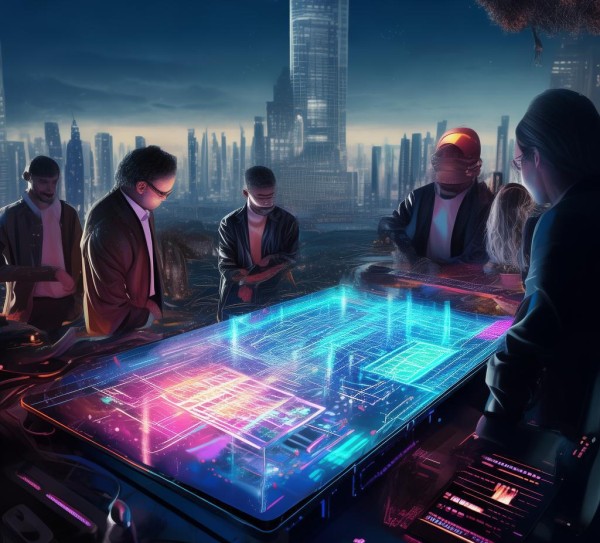
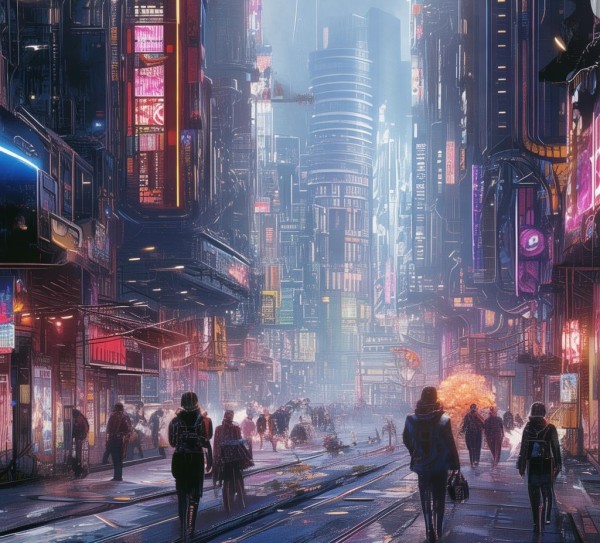
数字技术的快速发展正在重新定义艺术的表达方式,推动数字艺术从单纯的视觉表现延伸至沉浸式体验,数字艺术与传统艺术的融合日益紧密,数字绘画、3D打印和虚拟现实技术为艺术创作提供了新的可能性,数字艺术将深化人们对艺术形式的探索,成为艺术表达的核心载体,同时传统艺术形式也在数字时代焕发新生,形成独特的艺术形态,数字艺术与传统艺术的互动将成为艺术创作的主流趋势,共同推动人类对美的 further exploration.
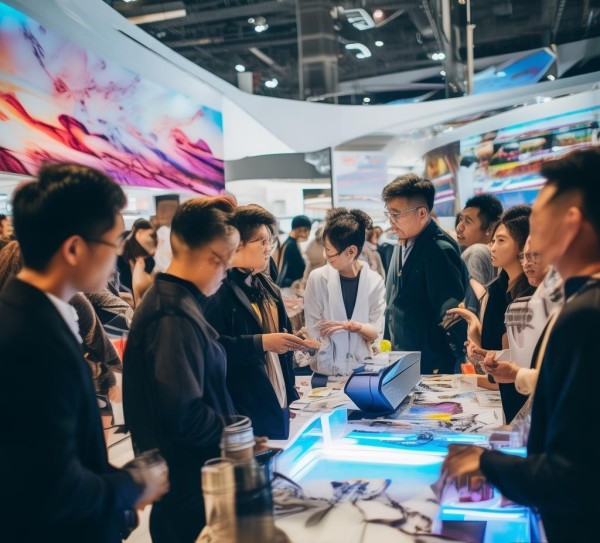
In the bustling city of成都, where the heart of information and communication technologies is, a significant event has emerged that bridges the realms of AI and art. At the 223 "Digital Art and Art" Exhibition, held at the成都国际会展中心, innovative digital art pieces will be displayed, showcasing the latest advancements in AI-driven art creation. This exhibition not only highlights the potential of AI in the world of art but also serves as a platform for artists to explore the future of their craft. The exhibition, which took place from October 5 to October 7, brought together hundreds of artists, digital artists, and technology enthusiasts from around the globe. It featured a variety of digital art forms, including digital collages, AI-generated installations, and interactive installations. These works were created using cutting-edge AI algorithms, which allow for the generation of art that mimics human creativity but in a digital environment. The artists, not only demonstrated the technical prowess of their creations but also shared their insights and experiences with the audience. One of the most striking aspects of the exhibition is the integration of AI into the art创作 process. For instance, some of the digital art pieces were created using machine learning algorithms, which yzed existing works of art to generate new pieces that were both unique and cohesive. This approach not only pushed the boundaries of traditional art forms but also opened up the possibility of creating art that is entirely digital, without the need for physical display spaces. The exhibition also included interactive elements, allowing attendees to engage with the digital art and participate in creative activities. For example, some of the digital installations were designed to respond to user input, such as voice commands or gestures, creating a dynamic and responsive experience. This added a new dimension to the art exhibition, making it not just a visual display but also an interactive experience. In addition to the exhibition, the event featured a series of workshops and lectures aimed at fostering a deeper understanding of the role of AI in art. These sessions explored topics such as the ethical implications of AI in art creation, the future of digital art, and the ways in which art can be used as a tool for communication and collaboration. The participants of these events were able to learn from experts and share their own experiences, creating a collaborative and educational atmosphere. The "Digital Art and Art" Exhibition is more than just a display of art; it is a celebration of the future of technology and the arts. It not only showcases the possibilities of AI in art creation but also highlights the importance of creativity and innovation in the digital age. The event will continue to inspire artists and technology enthusiasts alike, as it demonstrates how the intersection of AI and art can lead to new possibilities for creativity and expression. In conclusion, the "Digital Art and Art" Exhibition in成都 is a testament to the potential of AI in the world of art. It is a celebration of the future of technology and the arts, showcasing the creative possibilities that lie ahead. As the world continues to evolve, this exhibition will remain a vital reminder of the importance of innovation, creativity, and collaboration in the digital age.