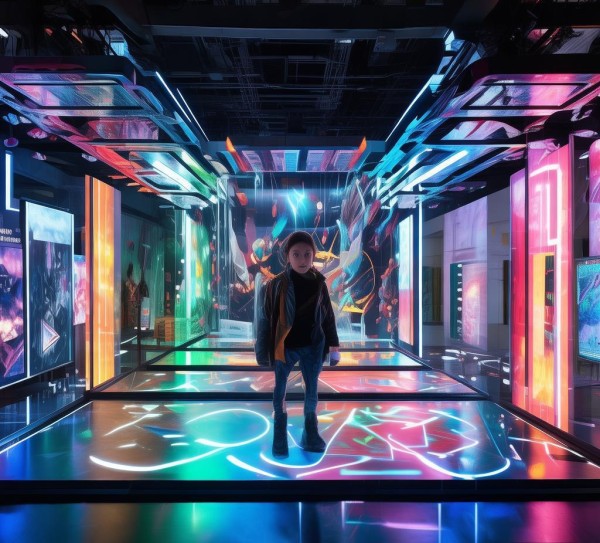
In an era where the internet has become an integral part of our lives, digital exhibitions have emerged as a revolutionary tool for connecting people and creating meaningful experiences. From online galleries to immersive virtual environments, these digital platforms are reshaping how we engage with art, culture, and creativity. As the world continues to embrace digital transformation, it's no surprise that digital exhibitions are gaining momentum as a key component of modern events. In this article, we’ll explore the key features and benefits of digital exhibitions, as well as how they’re changing the way people interact with their creativity.
The Basics of Digital Exhibitions
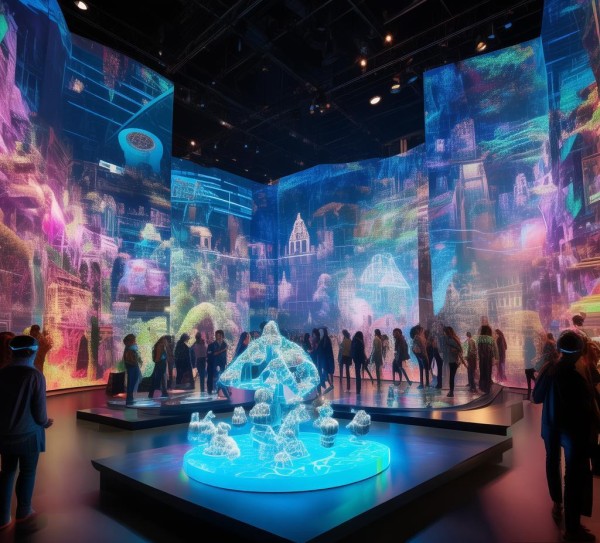
At its core, a digital exhibition is a virtual space where artists, creators, and audiences come together to explore and engage with one another. Unlike traditional physical events, digital exhibitions are always on screen, allowing participants to experience works of art in a more interactive and immersive way. The key to a successful digital exhibition lies in its design, functionality, and user experience. Here are some essential features to consider:
-
Real-Time Interaction: One of the most significant advantages of digital exhibitions is the ability to provide real-time interaction. Users can interact with digital exhibits in ways that are impossible with physical formats, such as rotating 3D models, manipulating virtual tools, or even responding to animations in real-time. This level of engagement makes digital exhibitions feel more dynamic and lively.
-
art Navigation and ytics: Digital exhibitions often incorporate advanced technologies that allow participants to navigate the space with precision and receive data about their experiences. These features can include interactive maps, real-time ytics that track user behavior, and personalized recommendations based on user preferences. By leveraging data ytics, organizers can gain insights into what works best for their audiences and tailor their events accordingly.
-
Multi-Modal Experiences: In today’s interconnected world, visitors have diverse ways of interacting with digital content. From viewing videos to listening to audio, they can choose to interact with digital exhibits in multiple ways. This multi-modal approach ensures that audiences are fully engaged and experience the content in the way that suits them best.
-
Accessibility and Inclusivity: Accessibility is a critical concern when it comes to digital exhibitions. organizers must ensure that all participants, regardless of their abilities, can access the space and experiences offered. This includes providing accessibility features such as screen readers, high-contrast text, and large print options. By prioritizing accessibility, organizers can create a more inclusive environment for everyone.
-
Interactive Learning Experiences: Digital exhibitions often include interactive elements that encourage learning and creativity. For example, participants might be able to manipulate objects on a virtual platform, test hypotheses, or experiment with different materials in a virtual lab. These interactive experiences are particularly valuable for educators and researchers looking to engage their students or explore new materials.
The Future of Digital Exhibitions
As the digital revolution continues to evolve, so do the ways people engage with art and creativity. The future of digital exhibitions lies in its adaptability and ability to evolve with the times. Here are some promising directions for the future of digital exhibitions:
-
Virtual Reality (VR) and Augmented Reality (AR): VR and AR are becoming increasingly popular as tools for digital exhibitions. These technologies allow participants to experience virtual worlds that are not possible with physical platforms, such as virtual reality environments that simulate cultural experiences or interactive spaces that allow for immersive exploration.
-
augmented Reality (AR) in Education: AR is being used in education to create immersive learning experiences. For example, students can use AR to explore historical sites, virtual train rides to learn about different cultures, or virtual reality to explore virtual worlds that simulate real-world phenomena.
-
Collaborative Experiences: Digital exhibitions are increasingly being used as platforms for collaboration and creativity. By allowing participants to work together on digital platforms, they can share ideas, create projects, and build connections. This collaborative approach is particularly valuable in fields such as design, architecture, and engineering.
-
Sustainability and Ethical Practices: With the growing emphasis on sustainability, digital exhibitions are also being developed to reflect this trend. Many of these platforms are designed to be environmentally friendly, with features such as energy-efficient lighting, energy-saving technology, and transparent data practices.
-
Global Exchange and Cultural Understanding: Digital exhibitions are also playing a key role in promoting global exchange and cultural understanding. By providing a platform for people from diverse backgrounds to engage with each other and learn about one another’s cultures, digital exhibitions are helping to foster a more inclusive and interconnected world.
Conclusion
Digital exhibitions are changing the way people interact with art and creativity, and as we continue to embrace this digital revolution, we can expect even more innovative and impactful ways to engage with the creative process. By leveraging the power of technology, organizers can create digital exhibitions that are not only visually stunning but also engaging, interactive, and inclusive. Whether you’re an artist, educator, or simply someone who values creative expression, digital exhibitions offer a unique opportunity to connect with your audience in ways that traditional events cannot.
As the world continues to embrace digital transformation, it’s no surprise that digital exhibitions are becoming a central part of our cultural landscape. By embracing the power of digital technology, we can create experiences that inspire, educate, and inspire the next generation of creators and thinkers. So, whether you’re organizing your own digital exhibition or simply participating in one, don’t miss out on the opportunity to play a part in shaping the future of creativity. Let’s get behind the scenes and see how digital technology can redefine what it means to be a creative force.