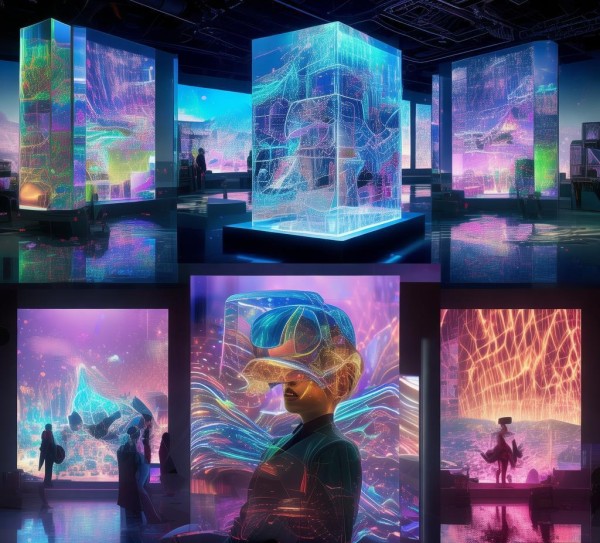
In the digital era, the concept of a high-quality digital exhibition has become a beacon of innovation and creativity. These virtual spaces, often referred to as "Showrooms," are not just about displays; they are about collaboration, transformation, and the pursuit of knowledge. With the advent of advanced technologies, such as AI, machine learning, and virtual reality, these digital exhibition spaces have evolved into powerful tools that allow professionals and enthusiasts alike to explore new ideas, witness breakthroughs, and engage in meaningful conversations.
One of the most significant advantages of digital shows is their ability to provide a platform for real-time collaboration. Instead of relying on traditional formats like live broadcasts or workshops, digital shows enable participants to share their insights and experiences in real time. This collaborative environment fosters a deeper understanding of the topics under discussion and promotes the exchange of ideas that might otherwise go unnoticed. Moreover, digital shows have made it easier for audiences to engage with complex and multi-layered content, breaking down barriers of perception and understanding.
Another key feature of digital shows is their versatility. Whether you're visiting a traditional exhibition space or a virtual one, the same principles of innovation and creativity apply. The digital realm offers a wealth of new possibilities that were unimaginable in the past. From live streaming of virtual concerts to the use of interactive simulations to explain complex scientific concepts, these digital shows continue to push the boundaries of what's possible in the field of exhibition design.
The integration of cutting-edge technology into digital shows has also transformed the way we consume and participate in these events. From the use of virtual reality to the application of machine learning algorithms, these technologies allow participants to experience events with unprecedented levels of immersion. This not only enhances the overall experience but also creates new opportunities for education and learning. For example, virtual workshops using AI-powered tools can provide participants with insights into the latest trends and innovations in their field, enabling them to stay at the forefront of their industry.
Moreover, the digital expansion of digital shows has brought new challenges and opportunities. While the convenience and accessibility of online events have made them more popular, the need to maintain a high standard of quality has also grown. This has led to the development of new standards and guidelines for digital shows, ensuring that they meet the same high expectations as traditional exhibitions. Additionally, the evolution of digital technology has opened up new avenues for innovation, such as the use of blockchain for secure record-keeping of event details, and the creation of interactive content that responds to user input.
In conclusion, digital shows represent a transformative force in the world of exhibition design. They not only provide a platform for the sharing of knowledge and ideas but also pave the way for future innovations. As the world continues to grapple with the complexities of modern technology, digital shows will remain a cornerstone of the exhibition experience, offering unparalleled opportunities for creativity, collaboration, and learning. The future of digital shows lies in their continued evolution, their integration with cutting-edge technology, and their ability to cater to a diverse range of audiences, from enthusiasts to professionals.