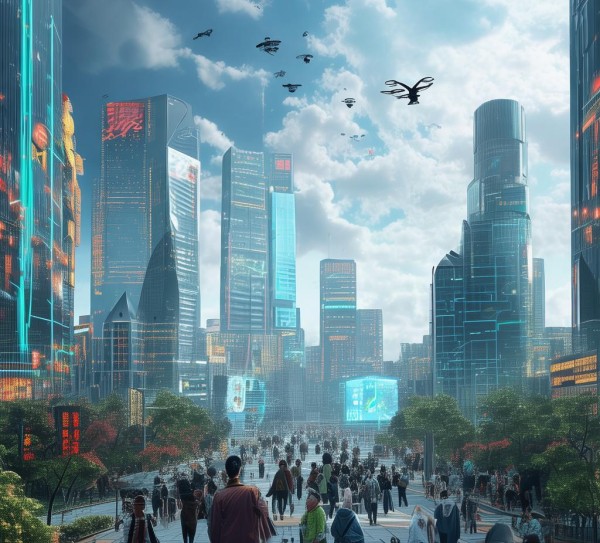
worldwideization and rapid development have made digital exhibits an integral part of modern Exhibitions. With the swift advancement of internet technology, more enterprises are integrating digital methods into exhibit processes to enhance exhibit efficiency, effectiveness, and visitor experience. Digital exhibits not only better satisfy consumer needs but also provide new business opportunities for participants. This paper will delve into the basic principles of digital exhibit design and through a real case ysis, demonstrate how digital exhibits can transform traditional exhibits into innovative ones.
The core of successful digital exhibit design lies in the combination of online and offline integration, creating an efficient, intuitive, and interactive exhibit experience. In this process, the following principles must be adhered to:
Market research and demand ysis are the first principles. To ensure the success of a digital exhibit, it is crucial to conduct detailed market research and yze consumer needs. If the target market prioritizes user experience, the exhibit content should be tailored to reflect real-world scenarios.
Platform selection and support are essential for implementing digital exhibits effectively. Choosing a reliable and efficient digital platform is the first step, as it ensures that exhibitions' information is promptly shared and观众' efficient interaction is facilitated. Tools such as Google ytics and HubSpot can be used for data visualization, providing a more intuitive understanding of exhibit content.
Development and innovation are key principles for creating engaging and appealing digital exhibits. Digital exhibits should combine both professional and attractive aspects. This can be achieved through case studies, data visualization, interactive activities, and inviting industry experts for public speaking or interactive question sessions to increase观众' engagement.
一个真实的数字化展会案例
To better understand the design and implementation of digital exhibits, we selected a well-known exhibition information service case, which attracted participants from various industries, including technology, healthcare, education, and finance. Through digital exhibits, the exhibition information was effectively disseminated and shared across both online and offline channels. The information service utilized social media, announcements, and other platforms to gather detailed information, ensuring the accuracy and timeliness of the content. A professional digital platform, such as Google ytics and HubSpot, was chosen as the display platform. Development and presentation involved multi-platform synchronization, integrating offline exhibition information with online audiences and inviting industry experts for live broadcasts or interactive question rounds to enhance观众' participation.
数字化展会的发展趋势
As digital exhibits continue to deepen, their development directions will include the following:
The integration of automation and intelligence will play a more significant role in digital exhibits, thanks to the application of artificial intelligence. This allows the platform to automatically yze audience interaction data, optimize exhibit content, and enhance观众' experiences.
Immersive experiences will be a focus, leveraging virtual reality (VR) and augmented reality (AR) technologies to provide immersive learning and exploration experiences for visitors. This approach enables viewers to gain a deeper understanding of the exhibition content through virtual environments.
Data-driven decision-making will become increasingly important. Through the platform, participants can utilize data ytics to monitor market trends, understand consumer preferences, and refine exhibit content for competitive advantage.
Digital exhibits are evolving rapidly, offering more intelligent, personalized, and interactive experiences. By engaging in market research, platform selection, and content development, digital exhibits can better meet consumer needs, improve exhibit efficiency, and enhance the overall user experience. As technology continues to advance, digital exhibits will become increasingly intelligent, personalized, and dynamic, providing a broader development space for participants. We look forward to the future of digital exhibits and to delivering more compelling experiences for our audiences!