快递行业 traditionally relied on physical storage, routing, and logistics, but with the rapid advancement of digital technology, the industry has transformed. By leveraging blockchain technology,快递企业 can ensure the safety of packages through traceability, while IoT devices enable real-time monitoring and management of delivery vehicles, enhancing efficiency. Additionally, AI technology optimizes route planning, reducing delays and minimizing errors. Through data ytics,快递企业 can understand market demand fluctuations and adjust its logistics strategies accordingly, while big data ytics enables proactive inventory management, identifying high-demand regions and process bottlenecks to optimize operations.
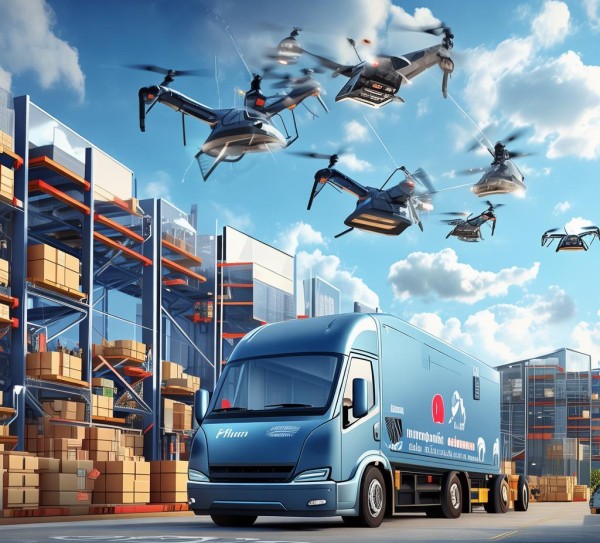
快递行业的数字化转型
With the rise of e-commerce,快递行业 has gained new growth opportunities. Platforms like Below.com and MyBeeN.com demonstrate how e-commerce integrates with快递 services, offering a "new/old" logistics network. These platforms facilitate the seamless integration of traditional快递 methods with online delivery, providing a comprehensive solution for customers. By leveraging e-commerce's capabilities,快递企业 can enhance logistics efficiency, streamline operations, and expand market reach.
电商与快递的深度融合
E-commerce has revolutionized快递行业的 offerings, enabling platforms to serve as a central logistics hub. Below.com offers a "new/old" platform where both e-commerce and logistics are seamlessly integrated, providing a holistic delivery experience. Similarly, MyBeeN.com leverages e-commerce to enhance delivery processes, making logistics more accessible and cost-effective for both consumers and businesses.
This integration not only streamlines logistics but also allows e-commerce to serve as a logistics partner, transforming e-commerce into a logistics ecosystem. By integrating e-commerce with logistics, both parties benefit from enhanced efficiency, reduced costs, and improved customer satisfaction.
快递行业与电商的角色互换
In this dynamic partnership,快递企业 has shifted its role from a logistics provider to a logistics manager. By adopting digital transformation and integrating with e-commerce,快递企业 can optimize its operations and address inefficiencies. Conversely, e-commerce has become a key logistics partner, enabling both parties to leverage each other's strengths.
This mutual role reversal is not just a strategy; it's a fundamental shift in the logistics landscape. As digital technologies advance, the integration of e-commerce and logistics becomes increasingly seamless, creating new opportunities for growth and innovation.
未来发展的展望
The synergy between e-commerce and快递 industry is expected to grow, driving the industry toward higher levels of automation and sustainability. With AI and IoT technologies advancing,快递企业 will be able to deliver faster, more accurate delivery routes, reducing logistics costs. Additionally, advancements in blockchain technology will ensure zero errors in package delivery, enhancing the overall security and efficiency of the logistics network.
In this evolving landscape, the integration of e-commerce and快递 industry will be a key driver of innovation. Both parties will need to adapt to these changes, with e-commerce embracing the role of logistics partner and快递企业 leveraging digital transformation to enhance its own operations.